Own the Room: How Presence Deters Threats
THE PATH TO POWER SERIES — ISSUE 3
A Biweekly Self-Defense Micro-Lesson with Lisa Davis
U.S. Marine Veteran | Former Police Officer | Self-Defense Instructor
What It Means to Own the Room When You Walk In
To own the room means stepping into a space with enough confidence, presence, and

awareness that you feel grounded the moment you arrive. This is not about being intimidating, dramatic, or demanding attention. It’s about projecting quiet strength — the kind of presence that makes you look alert, calm, and not easily overwhelmed.
Owning the room is a self-defense skill because posture and presence send signals. People who appear aware and confident are far less likely to be targeted. People who look rushed, distracted, or unsure often attract unwanted attention without realizing it.
This skill is for anyone who wants to enter spaces — public or private — with more assurance, clarity, and control. Whether you're entering a parking ramp, a workplace, a friend’s home, or a crowded store, your presence sets the tone for your safety and your mindset.
Real-Life Moments When Owning the Room Matters Most
Some people will walk into places on autopilot — eyes down, shoulders tense, mind elsewhere. This unintentional posture can make you miss important cues and can unintentionally signal vulnerability.
Here are everyday situations where owning the room makes a significant difference:
-
Entering a parking garage or stairwell
- These transitional spaces are where awareness is most important. Walking in confidently — instead of fumbling for keys or staring at the ground — gives you a stronger sense of control.
-
Walking into a new room or unfamiliar building
- Before your eyes adjust or your instincts catch up, your posture communicates whether you feel grounded or unsure.
-
Passing someone who makes you uncomfortable
- How you carry yourself directly affects how others interact with you. Confidence reduces the likelihood of someone testing boundaries.
-
Entering busy places like stores, gyms, or events
- Crowded environments require situational awareness. A confident entrance sets your brain into “observing mode.”
-
Navigating social situations where dynamics feel unpredictable
- Presence communicates self-assuredness before you ever speak.
During my work as a Marine and later as a police officer, I taught recruits to always pause at a doorway before entering. This wasn’t just tactical — it was psychological. A brief pause resets the mind, sharpens awareness, and eliminates tunnel vision. Civilians benefit from that same practice.
Owning the room is not about being confrontational. It’s about stepping into any environment with deliberate presence instead of drifting in.
How to Own the Room (And What Most People Get Wrong)
Owning the room begins before you take your first step inside. It starts with how you pause, breathe, and position your body.
✔ The Simple Technique That Works
1. Pause at the doorway for two seconds
This interrupts autopilot and gives your instincts time to activate.
2. Lift your chest slightly
This opens your posture, improves breathing, and signals confidence.
3. Look across the room — not down at the ground
Lift your line of sight. This instantly changes your presence and your awareness.
4. Walk in with slow, intentional movement
Rushing looks anxious. Controlled motion looks confident.
This technique takes less time than checking your phone and creates a huge shift in your presence.
✔ Common Mistakes People Make
When people enter a room, they often:

- walk in fast to “get it over with”
- look down at the floor or at their phone
- hunch their shoulders inward
- appear distracted or overwhelmed
- shrink their posture to avoid attention
- immediately start rummaging through bags or belongings
These habits weaken presence, reduce awareness, and make it harder for instincts to activate.
In self-defense classes, I see the same pattern: when posture collapses, confidence collapses with it. Fix the posture, and the confidence follows.
Owning the room is not about acting tough. It is about moving with purpose.
Why Owning the Room Changes Real-World Outcomes
This simple skill influences your safety, confidence, and emotional state in powerful ways.
-
You become more aware immediately
- When you pause and scan a room before entering, you gather more information. Your brain identifies exits, people, spacing, energy, and movement.
-
You project confidence without speaking
- Predators don’t want complications. Someone who appears alert, grounded, and sure of themselves is far less appealing to target.
-
You reduce your chances of freezing
- A confident entrance sets your nervous system on a steadier path. You’re less likely to be caught off guard later.
-
Your body language becomes a boundary
- People respond differently to someone who stands tall, walks with intention, and makes brief eye contact.
-
You take mental leadership of the space
- Instead of feeling like you’re entering someone else’s environment, you take ownership of your experience.
One of the most important lessons I teach is this:
Presence is a safety skill.
It affects a situation long before anything physical happens.
Owning the room helps you stay in control before, during, and after transitions — the moments when people are most vulnerable.
Try This Today — The Two-Second Entrance Reset
Every time you walk into a room today — your kitchen, workplace, grocery store, coffee shop, gym — practice this simple reset:

-
Stop at the doorway for two seconds.
This prevents you from rushing forward blindly. -
Lift your chest one inch.This gently straightens your posture and changes your internal state.
-
Lift your gaze slightly and look across the room.
Gather information. Notice people, spacing, and exits. -
Take one calm breath and step in intentionally.
Move like you belong — because you do.
This drill takes seconds but trains your body and mind to move through the world with greater confidence and awareness
How Owning the Room Connects to Your Self-Defense Training
Owning the room is not just a mindset skill — it directly supports every physical skill you will learn. A strong presence prevents some situations from escalating and prepares your body for the moments that matter.
Here’s how it connects to your training:
-
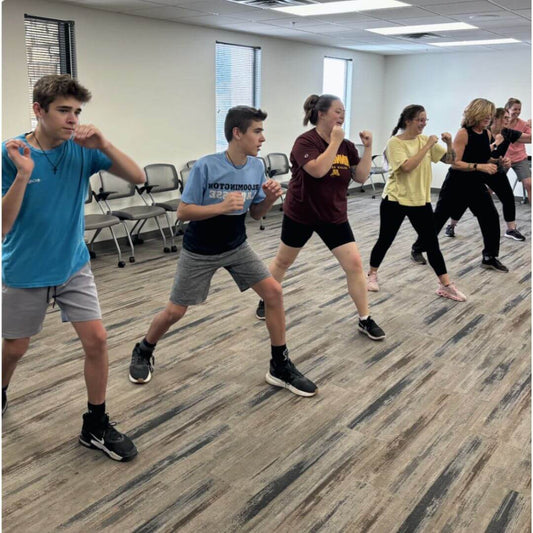
It prepares your body for the fighting stance
- A confident entrance puts your weight balanced, your chest open, and your breath steady. This is the perfect transition into your fighting stance if needed.
-
It heightens your instincts
- When you scan the room before entering, your brain processes potential risks and safe zones faster.
-
It helps you create space sooner
- When you enter with intention, you can react earlier to uncomfortable people or situations.
-
It reduces startle responses
- People freeze when they’re surprised. Owning the room removes much of that surprise.
-
It improves reaction time for physical techniques
- If you need to step back, shift weight, or raise your hands, your body is already prepared.
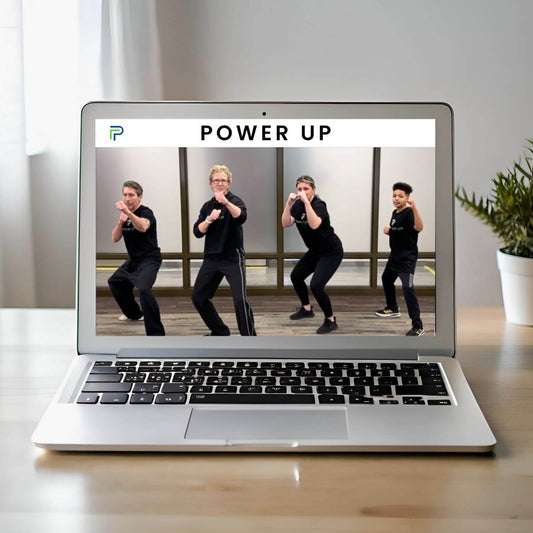
In my online self-defense course, I teach how presence, stance, and movement all work together. When you pair confident entry skills like this with physical techniques — your jab, palm strike, reverse punch, step-back, and guard position — your personal safety transforms.
You gain more than awareness.
You gain the ability to act with purpose.
If you’d like to learn how to turn confident presence into real striking, blocking, and escape skills, you can explore the full program anytime at: PowerUpWithLisa.com.